Our Story

About Xeyixo Kenexe

A program built around the idea that traditional craft skills deserve careful, unhurried instruction.

Where We Started

Why Leather, Why Online

Where does a craft education program come from? Xeyixo Kenexe grew out of a straightforward observation: leatherworking instruction tends to either be too shallow or too specialized. Short YouTube clips skip the reasoning behind techniques. Traditional apprenticeships and in-person workshops are geographically limited and often expensive.

Online delivery changes that. A student in rural Montana and a student in suburban Atlanta can follow the same lesson, pause at the same difficult moment, and rewatch the same close-up of a stitching chisel at work. The format fits the craft in a way that surprised us when we first tested it.

Leather is patient material. It does not dry out in minutes like clay or set irreversibly like resin. You can stop mid-project, come back the next day, and continue exactly where you left off. That quality makes it unusually well-suited to self-paced online learning.
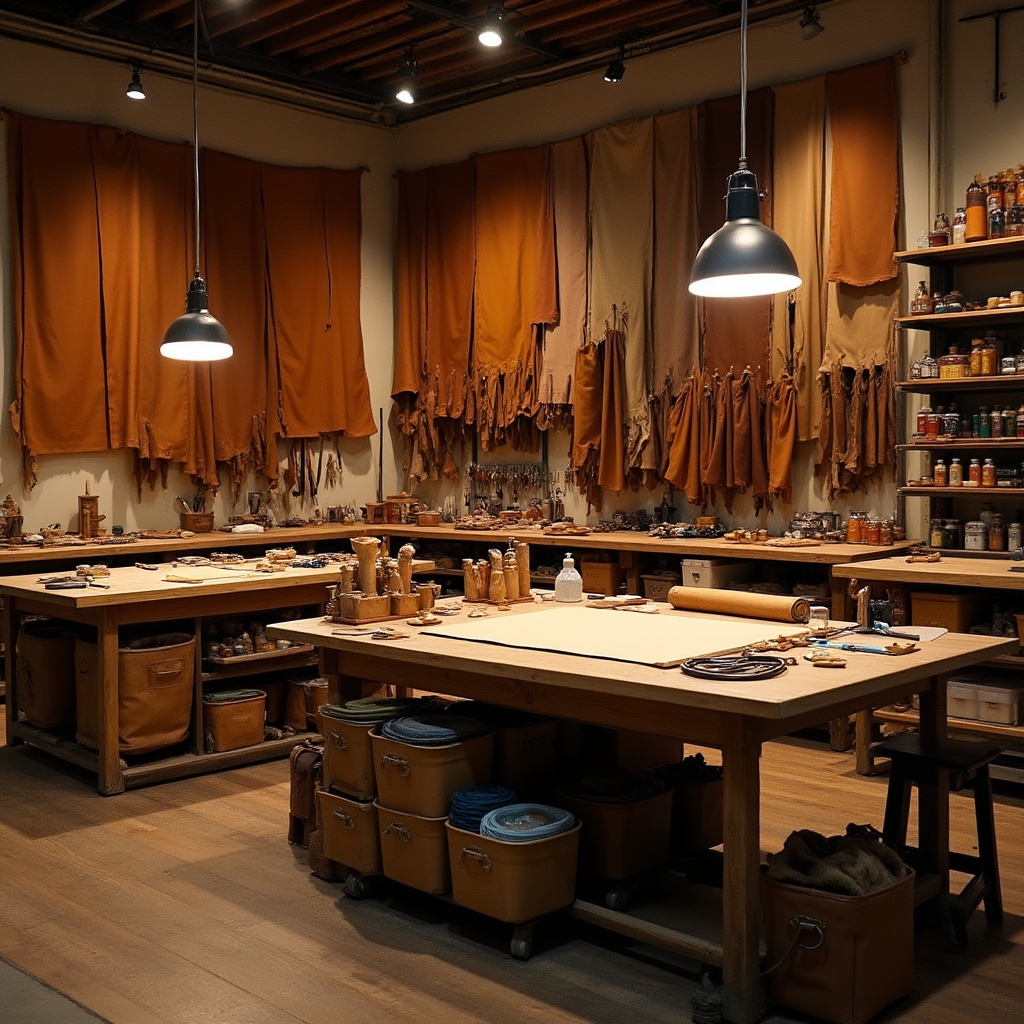
Wide view of a leather crafting workspace with organized tools, leather hides on a rack, and a wooden workbench
Our Approach

How We Think About Teaching

Technique Before Speed

What happens when learners rush the fundamentals? They build habits that limit their work later. We deliberately slow down for the techniques that matter most. A well-punched hole and a well-pulled stitch are worth twenty minutes of focused attention each.

Explanation Over Instruction

Why does vegetable-tanned leather tool better than chrome-tanned? Why does thread tension matter? We explain the reasoning behind each step. Understanding why a technique works makes it easier to adapt when something unexpected happens.

Honest Tool Guidance

The leatherworking tool market includes equipment at every price point. Some budget tools work adequately. Others create frustration that discourages beginners. We tell you honestly which category each item falls into, without directing you toward any particular retailer.

Mistakes as Information

Early work in any craft contains errors. Uneven stitches, inconsistent dye coverage, cuts that wander slightly off the line. We treat these as diagnostic information rather than failures. Each course includes guidance on identifying what went wrong and how to address it in the next piece.

Program Scope

What This Program Is and Is Not

What it is

A structured hobby education program. Courses cover the practical skills needed to make functional leather goods by hand using traditional methods. The curriculum is organized progressively, starting with foundational skills and building toward more complex projects and surface decoration techniques.

Instruction is delivered through video lessons with supporting written materials. Each course includes a project that produces a usable finished piece.

What it is not

A professional certification program. Completing courses at Xeyixo Kenexe does not confer any credential, license, or professional qualification. This is intentional. The program exists to serve people who want to learn leatherwork as a craft hobby, not to prepare students for commercial production or professional practice.

We are transparent about this because it shapes the entire curriculum. Hobbyist instruction can focus on technique, patience, and enjoyment rather than production efficiency.

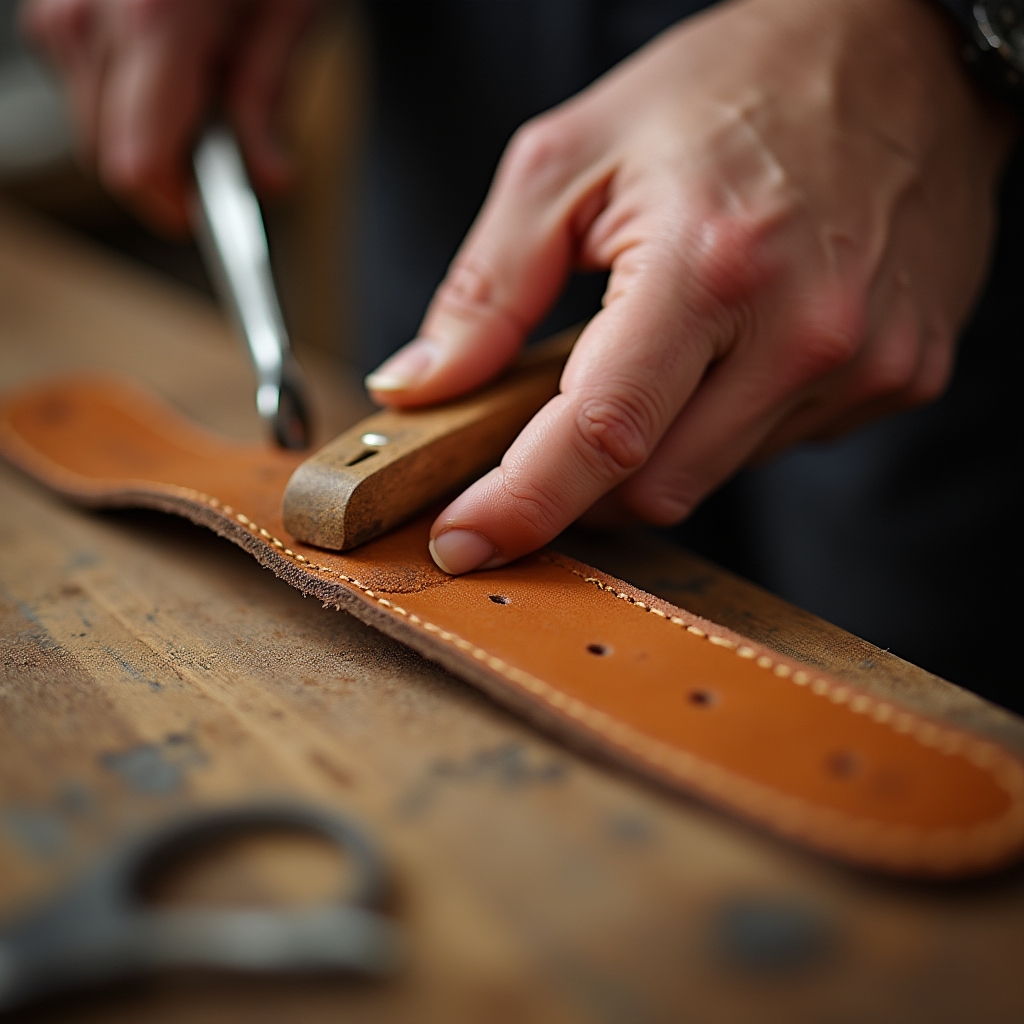
Hands burnishing the edge of a leather strap using a wood slicker tool, close-up showing smooth edge forming

The Value of Slow Work

Modern manufacturing has largely removed the human hand from the objects we use daily. Leather goods are among the few categories where handmade still carries genuine meaning, not as marketing language, but as a description of actual process.

When you saddle-stitch a wallet yourself, you understand why the seam holds. When you apply dye by hand and watch the leather absorb it unevenly at first, then smooth out, you develop an intuition about the material that no factory process can replicate.

That knowledge does not make you a professional. It makes you someone who understands what they are holding when they pick up a well-made leather object. That shift in perception is, in our view, one of the more interesting things a hobby can give you.