Online Leather Crafting Courses

Make Something
Real With Your Hands

Learn traditional leather crafting from your home. Wallets, belts, and small accessories built with hand-stitching, tooling, and finishing techniques that have endured for generations.

What We Teach

Where Craft Meets Patience

What separates a handmade leather piece from a mass-produced one? The answer is time, intention, and technique. Leather crafting is a slow practice. Each cut, each stitch, each pass of dye is deliberate. Our courses guide you through that process without rushing the parts that matter.

We cover the full arc of leatherwork as a hobby: selecting hides, understanding grain and temper, cutting clean edges, punching consistent holes, and finishing pieces so they age well. No professional certification is offered or implied. This is craft for its own sake.

Learn about our approach
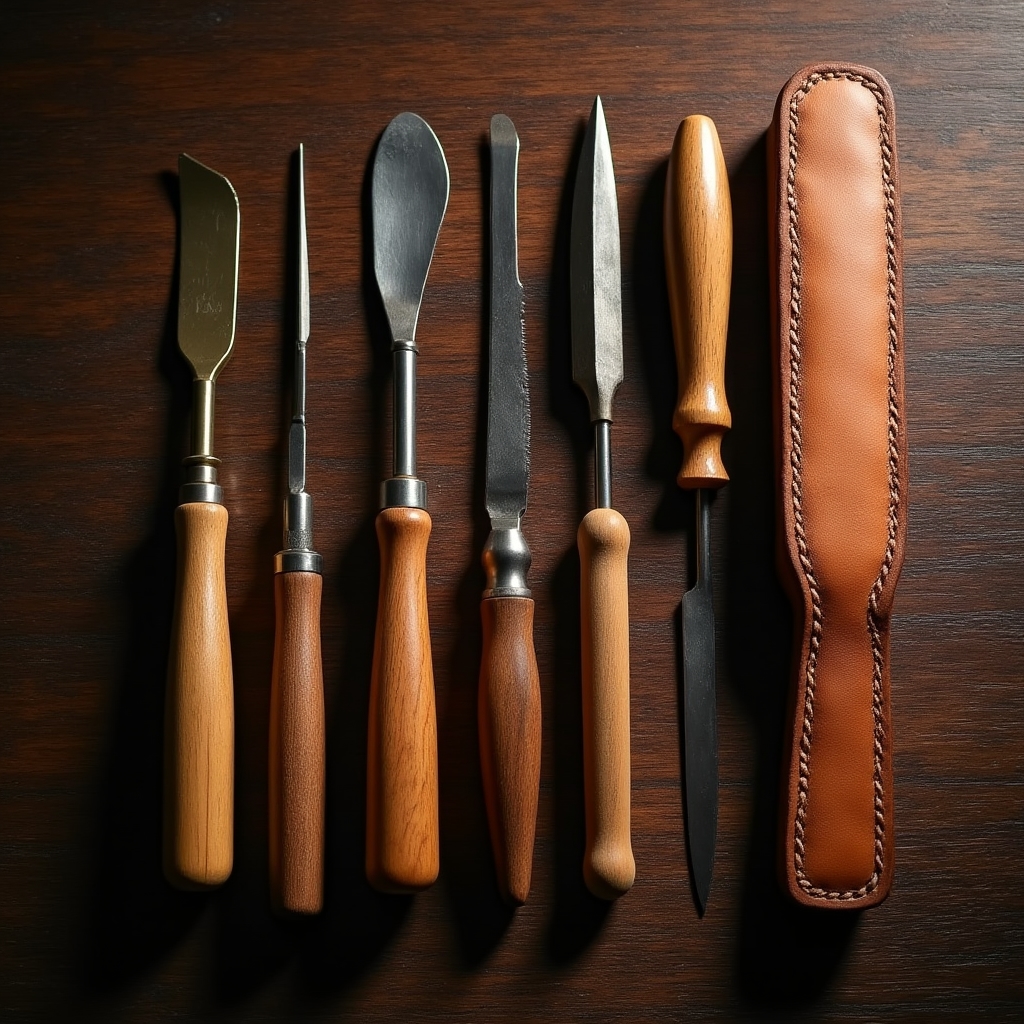
Leather crafting tools laid out on a wooden workbench including awl, stitching chisels, and edge beveler
Course Topics

What You Will Learn

Each course module focuses on a specific skill set within the broader craft of leatherwork.

Leather Selection

How do you choose the right hide for a project? Vegetable-tanned, chrome-tanned, full-grain, top-grain. Understanding these distinctions shapes every decision that follows. We explain what each type does well and where it falls short.

Cutting and Patterning

Precise cuts define a finished piece. We cover pattern transfer, straight cutting with a strap cutter, curved cuts with a swivel knife, and how to minimize waste on expensive hides. Clean edges start here.

Hole Punching

Consistent, evenly spaced holes are the foundation of good hand-stitching. We walk through pricking irons, stitching chisels, and single-hole punches. Spacing, depth, and angle all factor in.

Hand-Stitching Techniques

Saddle stitching is the primary stitch in traditional leatherwork. Two needles, one thread, a rhythm that takes time to develop. We cover thread selection, waxing, tension, and finishing knots so seams hold for years.

Dyeing and Finishing

What gives leather its final character? Dye application, antique finishes, edge paint, and conditioners all contribute. We cover alcohol-based dyes, oil dyes, and how to seal a piece so color stays consistent over time.

Tooling and Carving

Surface decoration through tooling adds dimension and identity to a piece. We introduce beveling, backgrounding, and basic floral patterns. Tooling is optional but deeply satisfying once the fundamentals are solid.

Project Types

What You Will Make

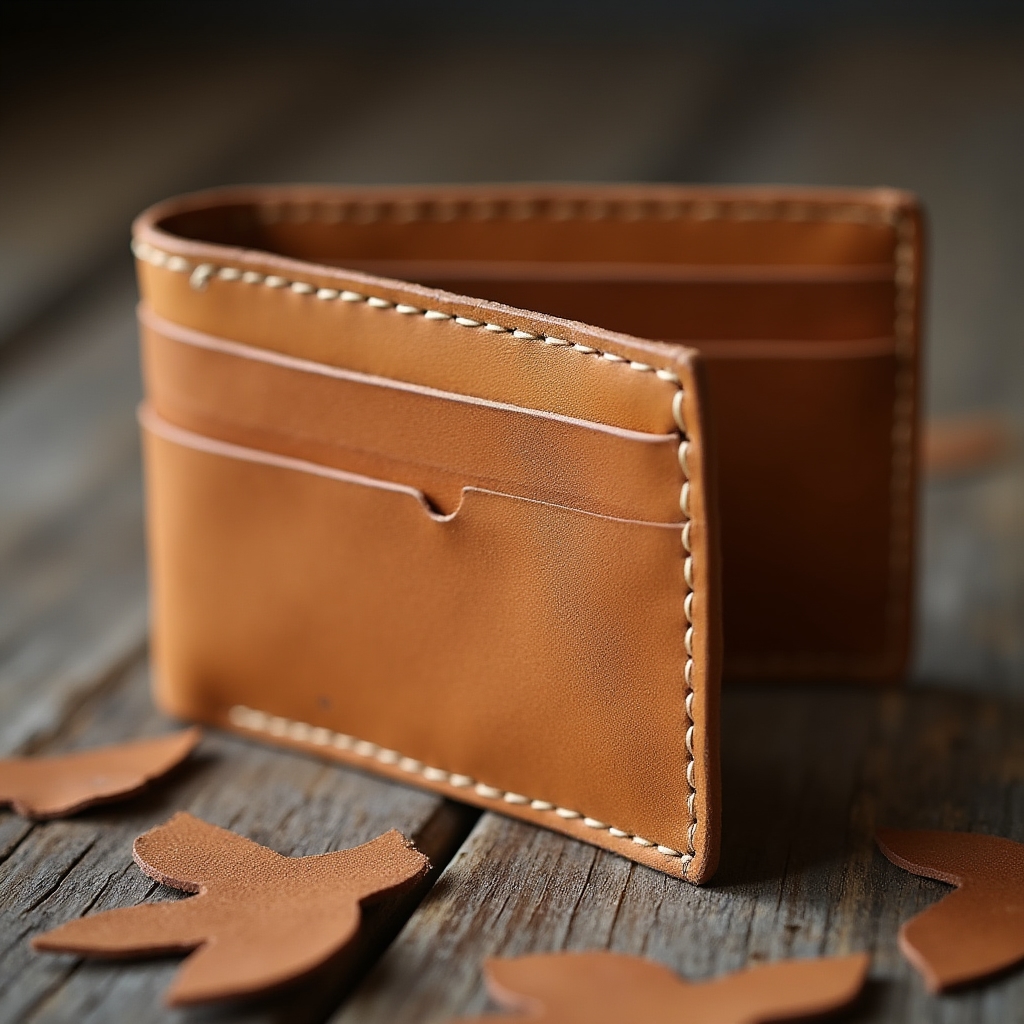
Handmade bifold leather wallet in tan vegetable-tanned leather with visible saddle stitching
Bifold Wallets
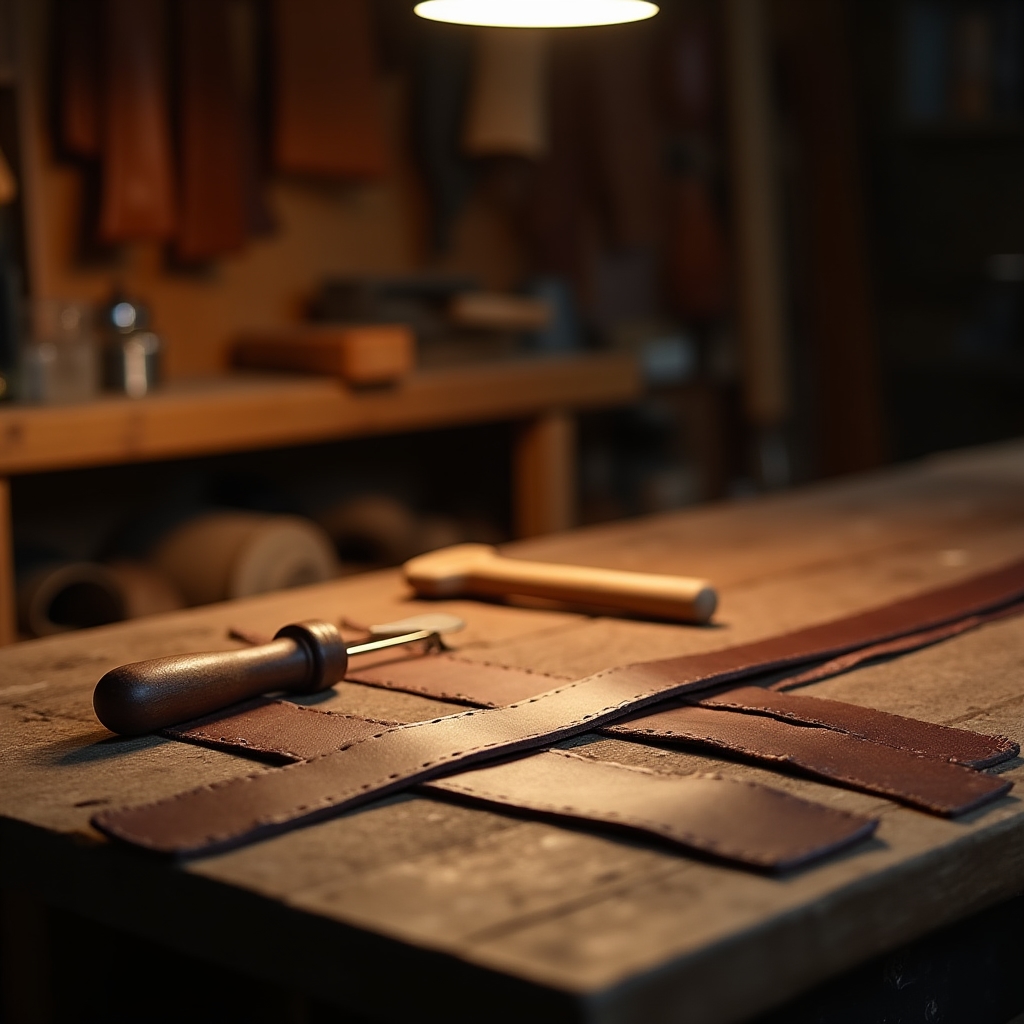
Brown leather belt being hand-stitched on a wooden workbench with stitching chisel nearby
Belts
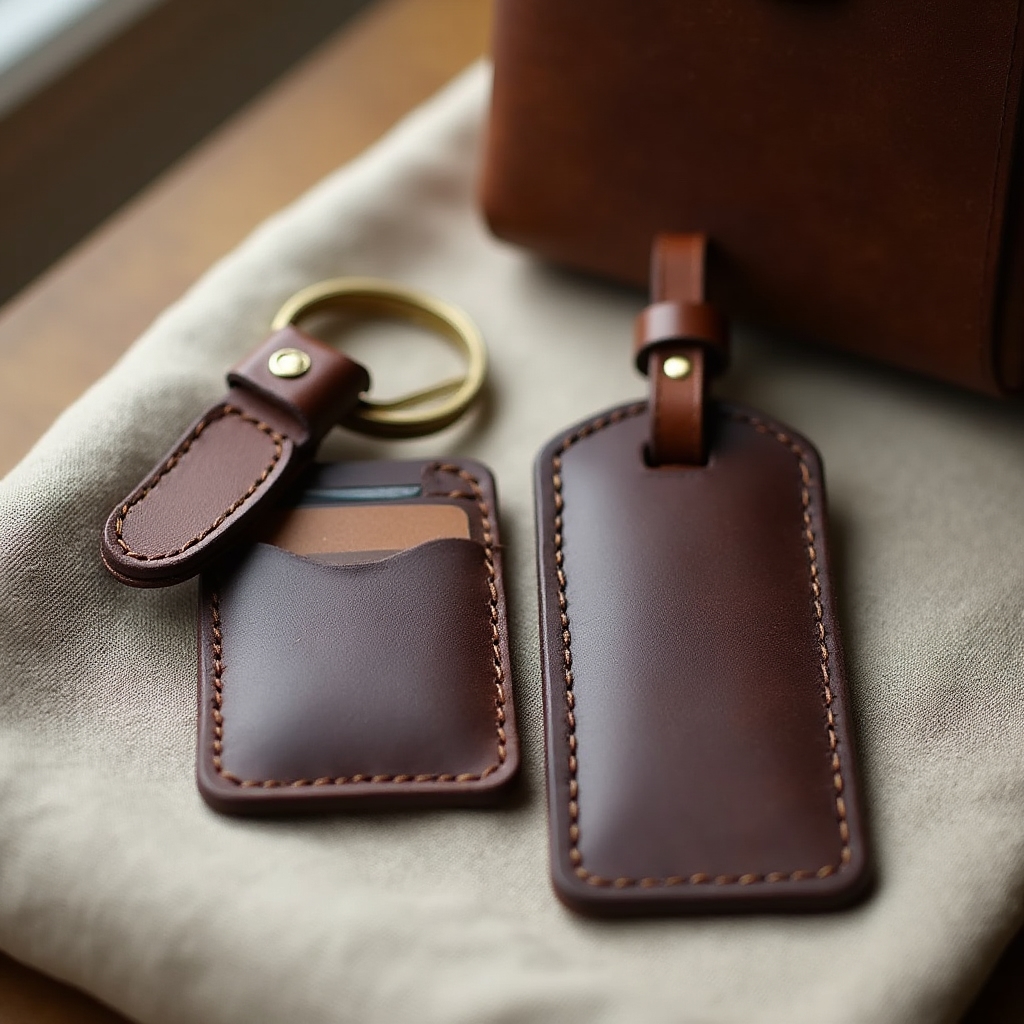
Small leather key fob and card holder accessories in dark brown leather with brass hardware
Small Accessories
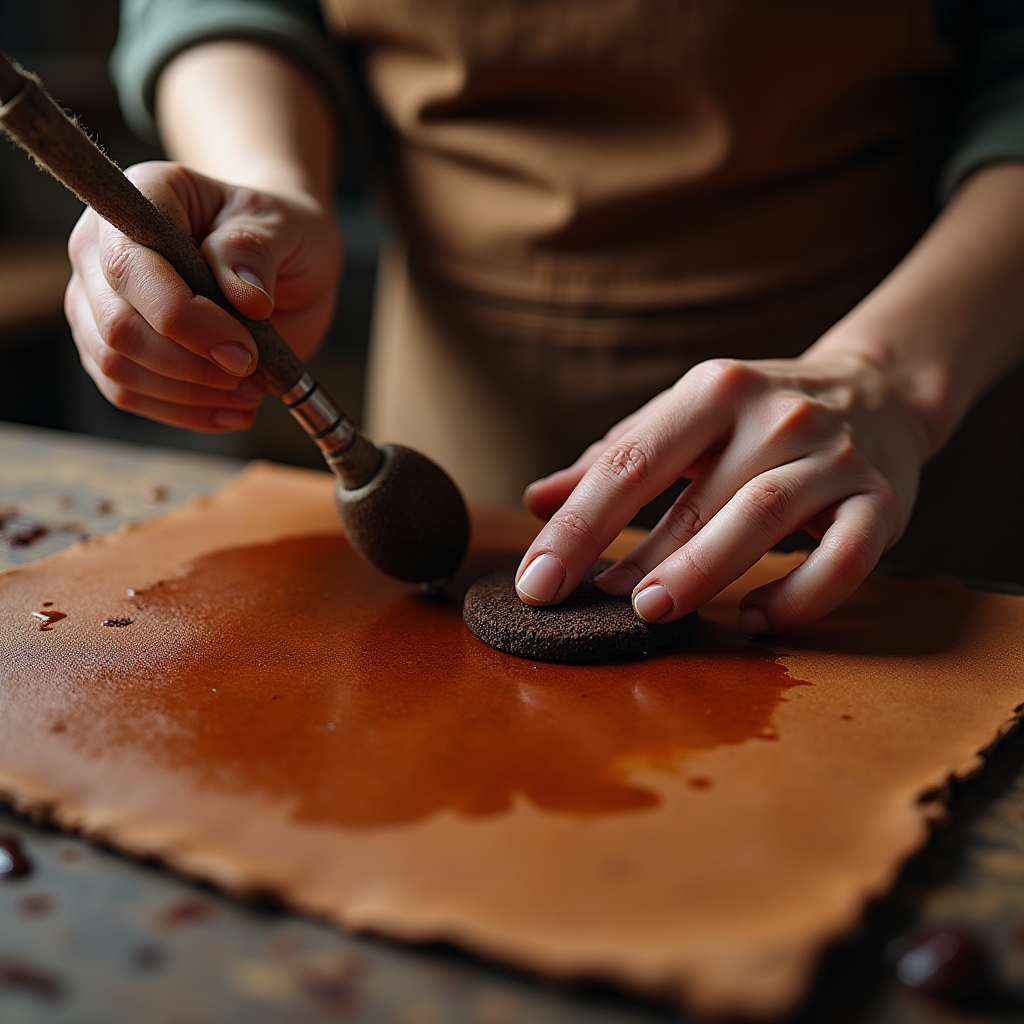
Hands applying dark brown alcohol dye to a leather panel with a wool dauber, showing color absorption
Dyeing Process
How It Works

The Learning Path

01

Choose Your Course

Browse the course catalog and select based on your current skill level and the type of project you want to make first. Complete beginners and hobbyists with some experience both have appropriate starting points.

02

Gather Your Materials

Each course includes a materials list with specific recommendations. You do not need expensive tools to start. A modest starter kit covers the first several projects, and we explain what each tool does before suggesting you acquire it.

03

Work Through Video Lessons

Lessons are structured in short segments that focus on one technique at a time. Pause, rewatch, work alongside the video. The format is designed around the reality that leatherwork requires both hands and full attention.

04

Build Your First Piece

Every course culminates in a complete project. A finished wallet, a working belt, a functional card holder. The piece is yours to keep, use, and learn from. Imperfections in early work are informative, not failures.

Ready to begin?

Start with the free guide or browse the full course catalog. Either way, the first cut is the hardest.

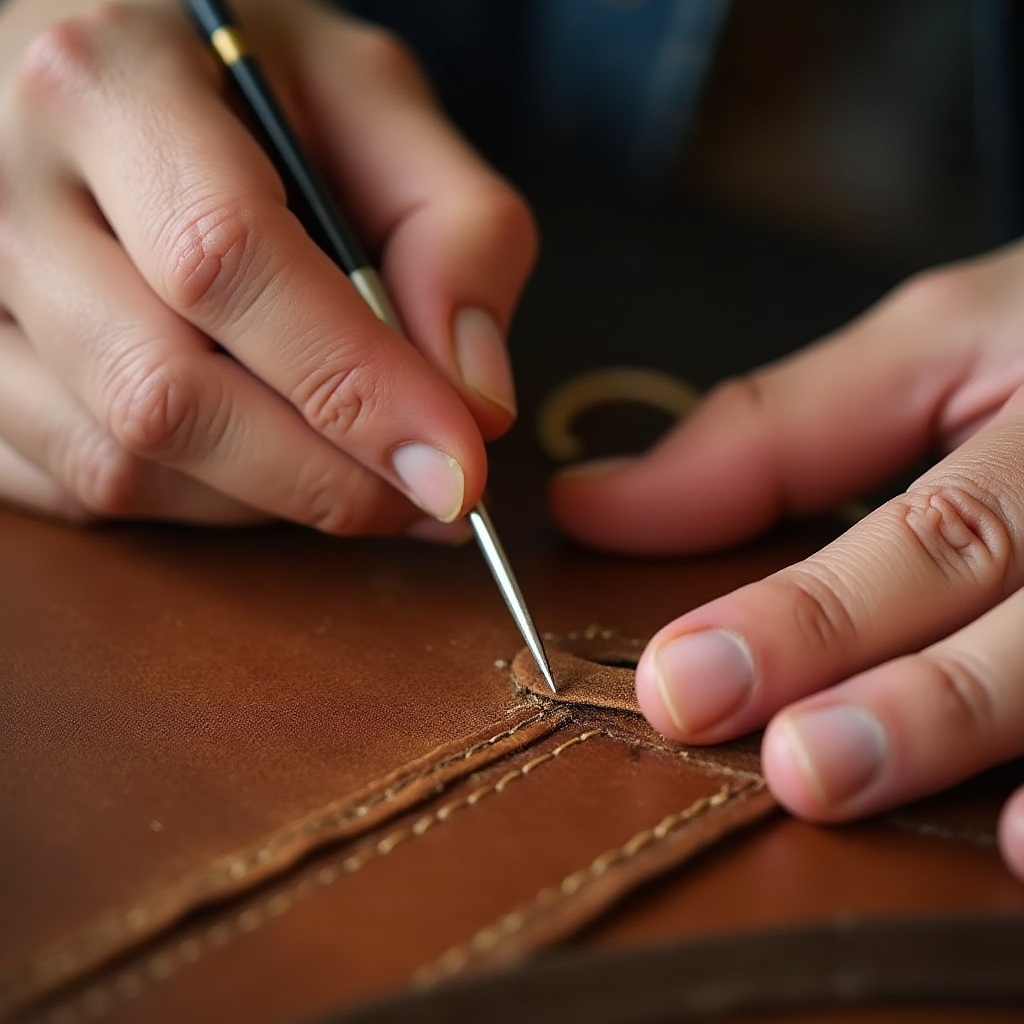
Close-up of hands performing saddle stitch on leather with two needles and waxed thread
The Core Skill

Why Hand-Stitching Matters

Machine stitching and hand stitching are fundamentally different. A machine stitch locks top and bottom threads together at each point. If one thread breaks, the stitch can unravel. Hand saddle stitching passes each thread independently through every hole. A break at one point does not compromise the rest.

This is why traditionally made leather goods outlast their machine-sewn counterparts. The stitch itself is structural. Learning to do it well is the single most valuable skill in the entire curriculum.

It takes practice. The first few inches will feel slow and awkward. By the end of a wallet project, the rhythm becomes natural. That shift is what hobbyists describe as the moment the craft becomes genuinely enjoyable.